
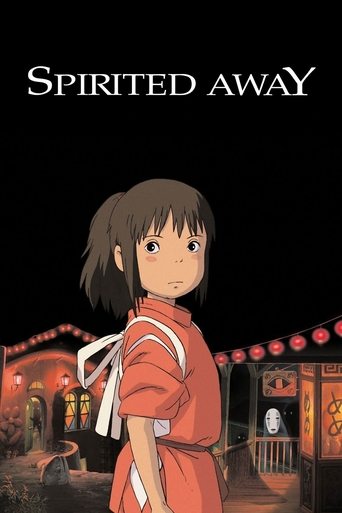
A Viagem de Chihiro (千と千尋の神隠し)

A Viagem de Chihiro (千と千尋の神隠し) é adequado para a sua família?

Filme 2001 125 min Analisado com a metodologia v1.1.0 — pode ser atualizado

Chihiro e seus pais estão se mudando para uma cidade diferente. A caminho da nova casa, o pai decide pegar um atalho. Eles se deparam com uma mesa repleta de comida, embora ninguém esteja por perto. Chihiro sente o perigo, mas seus pais começam a comer. Quando anoitece, eles se transformam em porcos. Agora, apenas Chihiro pode salvá-los.

O que tem dentro

  • ViolênciaPresente · 39
    Por que essa pontuação?
    • 0:00–0:15A family drives through a tunnel and becomes lost while searching for their new home.leve
    • 0:15–0:45Chihiro's parents consume food at an abandoned banquet and subsequently transform into pigs.leve
    • 0:45–1:15Chihiro is threatened with being sent to an abattoir as punishment for her parents' actions.claro

    Amostra das cenas identificadas. Descrições neutras, escritas pela Zelari.

  • Conteúdo sexualAusente · 0
  • Romance e relacionamentosTraços · 5
    Por que essa pontuação?
    • 0:00–2:05A young girl forms a friendship with a boy spirit character who helps her navigate the spirit world, with no romantic or dating elements present in their interaction.fundo

    Amostra das cenas identificadas. Descrições neutras, escritas pela Zelari.

  • Religião e espiritualidadePresente · 27
    Por que essa pontuação?
    • 0:00–0:30Chihiro's parents consume food at a banquet without permission and undergo a mysterious magical transformation into pigs as a supernatural consequence.claro
    • 0:00–2:05The bathhouse setting functions as a spiritual establishment where supernatural beings gather and conduct transactions governed by magical rules.leve
    • 0:30–2:05Chihiro must work for Yubaba under a magical contract that involves spiritual exchange and negotiation to rescue her transformed parents from supernatural consequences.claro

    Amostra das cenas identificadas. Descrições neutras, escritas pela Zelari.

  • Temas familiaresPresente · 39
    Por que essa pontuação?
    • 0:00–15:00A child becomes separated from her parents after they are mysteriously transformed, and must navigate a dangerous world alone to rescue them.central
    • 0:00–5:00A family relocates to a new house, with the child reluctant about the move while her parents drive toward their destination.claro

    Amostra das cenas identificadas. Descrições neutras, escritas pela Zelari.

  • Mensagens políticas e sociaisTraços · 18
    Por que essa pontuação?
    • 0:00–2:05The narrative presents themes of individual agency and personal growth through a protagonist's journey to rescue family members and survive within an unfamiliar hierarchical system.leve
    • 0:00–2:05The story incorporates elements of Japanese cultural mythology and folklore as central to its worldbuilding and narrative framework.leve

    Amostra das cenas identificadas. Descrições neutras, escritas pela Zelari.

  • Conteúdo emocional pesadoPresente · 34
    Por que essa pontuação?
    • 0:00–30:00A child is separated from her parents who have been transformed into animals and trapped in a supernatural location, requiring her to navigate a dangerous environment and negotiate with a powerful witch to secure their freedom.claro
    • 15:00–20:00A young girl experiences confusion and distress as she realizes her parents have been transformed and she must find a way to help them while trapped in an unfamiliar supernatural world.claro
    • 20:00–25:00A character faces an implied threat of serious harm related to her parents' predicament, creating a sense of peril and urgency.leve

    Amostra das cenas identificadas. Descrições neutras, escritas pela Zelari.

Reanalisar

Onde os temas aparecem

0 min125 min
Violência
Conteúdo sexual
Romance e relacionamentos
Religião e espiritualidade
Temas familiares
Mensagens políticas e sociais
Conteúdo emocional pesado

Posição aproximada de cada cena ao longo da duração.

Representação (informativo)

Estas informações são exibidas apenas para conhecimento — nunca usadas como filtro.

  • Protagonismo feminino: Presente
  • Diversidade no elenco
  • Personagens LGBTQ presentes

As pontuações medem a presença de temas (0–100) — nunca dizem se o conteúdo é bom ou ruim. Famílias diferentes têm critérios diferentes.