Is The Smurfs right for your family?
Series 1981 11 min/ep. Analyzed with methodology v1.1.0 — can be updated
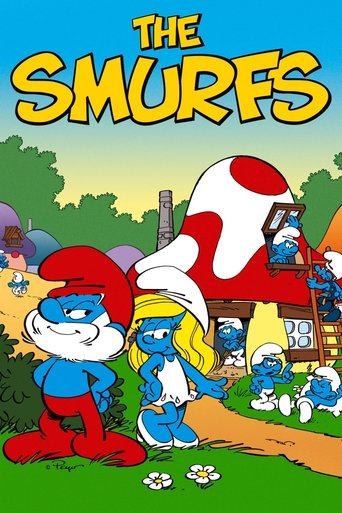
Classic Saturday-morning cartoon series featuring magical blue elf-like creatures called Smurfs. The Smurfs, named for their personalities, inhabit a village of mushroom houses in an enchanted forest. These loveable creatures are led by Papa Smurf and live carefree... except for one major threat to their existance: Gargamel, an evil but inept wizard who lives in a stone-built house in the forest; and his feline companion, the equally nasty Azrael.
What's inside
Average score of the 2 episodes analyzed so far. 420 more episodes can be analyzed for a more accurate picture.
-
ViolenceTraces · 16
Why this score?
- 0:00–11:00An evil wizard and his cat periodically attempt to capture the Smurfs, representing an ongoing threat to their safety that drives the plot.mild
Sample of identified scenes. Neutral descriptions, written by Zelari.
-
Sexual contentAbsent · 0
-
Romance & relationshipsAbsent · 0
-
Religion & spiritualitySignificant · 53
Why this score?
- 0:00–11:00The series features a wizard character who practices magic and alchemy as core plot elements throughout the show.clear
- 0:00–11:00The setting is an enchanted forest with magical elements presented as part of the fictional world.mild
Sample of identified scenes. Neutral descriptions, written by Zelari.
-
Family themesAbsent · 0
Why this score?
- 0:00–11:00Papa Smurf serves as the leader and father figure of the Smurf community, establishing a family-like hierarchical structure within the village.clear
Sample of identified scenes. Neutral descriptions, written by Zelari.
-
Political & social messagingAbsent · 0
-
Heavy emotional contentPresent · 31
Why this score?
- 0:00–11:00Gargamel and his cat Azrael are established as recurring antagonists who pursue the Smurfs throughout episodes, creating an ongoing threat dynamic.mild
Sample of identified scenes. Neutral descriptions, written by Zelari.
Representation (informational)
Shown for information only — never used as a filter.
- Female protagonism
- Cast diversity
- LGBTQ characters present
Scores measure theme presence (0–100) — they never say whether content is good or bad. Different families have different thresholds.